The Scale Says You're Winning But the Mirror Disagrees — Here's Why Keto Body Recomposition Is Weirder Than You Think
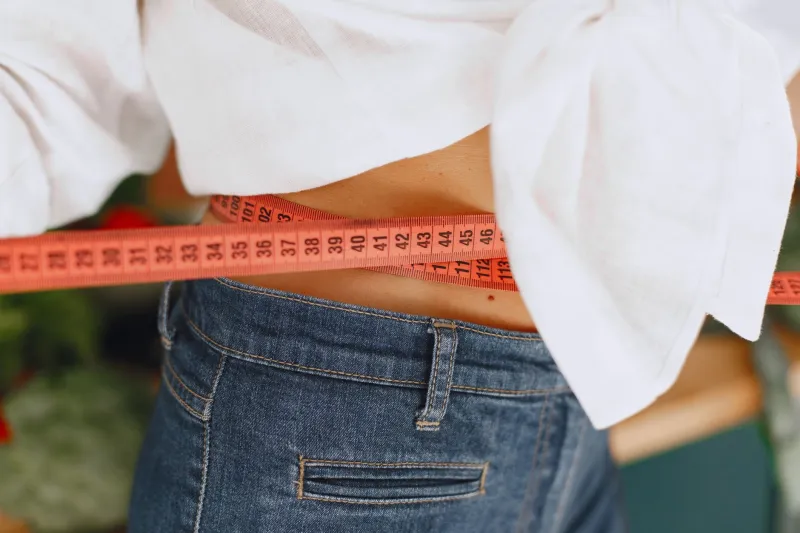
You've been strict. Carbs are gone. You're eating clean fats, hitting your protein, and the scale has dropped a solid eight to ten pounds over the past six weeks. By every logical measure, things should look dramatically different. But then you catch yourself in a dressing room mirror and think — wait, is this actually working?
Welcome to one of the most confusing and underappreciated parts of the keto journey: the gap between fat loss and visible body recomposition. They're related, but they're not the same thing, and they definitely don't move on the same schedule.
Let's break down what's actually going on.
Fat Loss and Body Composition Are Not the Same Race
Here's the thing most people don't realize when they start keto — losing fat and changing the way your body looks are two separate biological processes happening on two different timelines.
Fat loss is relatively straightforward: your body enters a caloric deficit, ketones become the primary fuel source, and stored fat gets mobilized and burned. That part keto does exceptionally well.
Body composition, on the other hand, refers to the ratio of fat to lean mass in your body. It's not just about how much fat you're losing — it's about how much muscle you're preserving or building at the same time. And that's where things get complicated.
If you're losing fat but your muscle mass is staying the same or growing slightly, your body composition is improving even when the changes look subtle in the mirror. The visual impact of that shift depends heavily on where you're losing fat from, how much inflammation is present, and whether you're holding onto any extra water — all of which keto influences in its own unpredictable way.
The Water Weight Shuffle Is Still Playing Games With You
Most people know that keto causes a significant initial drop in water weight. Glycogen binds water, and when glycogen stores empty out in those first one to two weeks, you lose a bunch of fluid fast. That's why early keto weight loss looks so dramatic.
What fewer people talk about is that water retention doesn't just disappear after that initial phase. It continues to fluctuate — sometimes dramatically — throughout your keto journey, and it can absolutely obscure real fat loss progress.
Stress spikes cortisol, which causes water retention. Intense workouts cause micro-tears in muscle tissue, which the body surrounds with fluid as part of the repair process. A slightly higher sodium day, a restless night of sleep, even hormonal shifts in women across the monthly cycle — all of these can add a pound or two of water that sits right on top of your actual fat loss and makes it invisible.
So when the scale stops moving or barely budges despite you doing everything right, water retention is often the culprit. The fat is still leaving. You just can't see it yet.
Muscle Preservation Is a Win That Looks Like a Loss
One of keto's underrated superpowers — especially when combined with any kind of resistance training — is its ability to preserve lean muscle mass during a caloric deficit. This happens partly because ketones themselves have a muscle-sparing effect, and partly because higher protein intake on keto supports muscle protein synthesis.
But here's the catch: muscle is denser than fat. If you're losing fat and preserving or adding muscle simultaneously, your weight might not drop as fast as you'd expect — or at all. A pound of muscle takes up significantly less physical space than a pound of fat, so your body is literally getting smaller and tighter even when the numbers on the scale are stubbornly unimpressive.
This is why your jeans fitting differently is a more honest metric than your weight. It's why a pair of pants that used to gap at the waist now sits flat. The scale is measuring everything — water, muscle, fat, the lunch you just ate — while your clothes are measuring shape.
Metabolic Adaptation Is Real, But It's Not a Disaster
After several weeks on keto, your metabolism starts to adapt to the new fuel environment. Your body gets more efficient at using fat and ketones, which is great for sustained energy — but it can also mean your total daily energy expenditure shifts slightly downward compared to your initial weeks on the diet.
This metabolic adaptation is normal and happens on virtually every diet. It doesn't mean keto has stopped working. It means your body is doing what bodies do: adjusting to a new normal.
When this happens, visible body recomposition can slow down even though fat loss is still occurring at a meaningful rate. People often interpret this plateau as failure, when really it's just the body recalibrating. Small adjustments — a slight calorie reduction, a change in workout intensity, or even a short diet break — can be enough to restart visible progress without abandoning everything you've built.
The Metrics Worth Paying Attention To
If you're frustrated that your body doesn't look as different as you expected given the fat you've lost, here's a more useful set of checkpoints than the scale alone:
How your clothes fit. This is arguably the most honest real-world indicator of body composition change. Looser waistbands, less tightness across the shoulders, a shirt that drapes differently — these matter.
Strength and performance in the gym. If you're lifting heavier or moving more efficiently than you were six weeks ago, your body composition is improving. Muscle is being preserved or built. That's the goal.
Progress photos taken in consistent lighting. The eye adapts to gradual change and stops seeing it. Side-by-side photos from four to six weeks apart often reveal dramatic differences you completely stopped noticing day to day.
How you feel physically. Energy, sleep quality, mental clarity, reduced joint discomfort — these are signs that your metabolic health is improving even when the aesthetic results feel slow.
When Slower-Than-Expected Changes Are Worth a Closer Look
Most of the time, the gap between fat loss and visible recomposition is just biology being biology. But there are situations where it's worth digging deeper.
If you've been on keto for more than three months with zero change in how your clothes fit and no measurable strength gains, it might be time to audit your actual food intake rather than your perceived intake. Hidden carbs, underestimated calories, and insufficient protein are the usual suspects.
Thyroid function is another factor worth investigating if you feel like your metabolism has genuinely stalled. Some people experience thyroid-related slowdowns on very low-carb diets, particularly women, and that can suppress the visible results even when dietary compliance is solid.
And if muscle loss rather than muscle preservation seems to be happening — you're getting lighter but also weaker and feeling flabbier — protein intake and overall calorie levels probably need recalibration.
The Bottom Line
Keto is doing the work. Fat is being mobilized, metabolism is shifting, and your body is genuinely changing — just not always on the timeline or in the visible ways you expected. The disconnect between fat loss and body recomposition isn't a sign that something's broken. It's a sign that your body is complex and the process is layered.
Trust the non-scale wins. Trust your clothes. Trust how you feel under a barbell. The mirror will catch up — it always does.