Not Everyone Should Eat Keto 24/7 — Here's How to Know If Strategic Carb Days Are Right for You
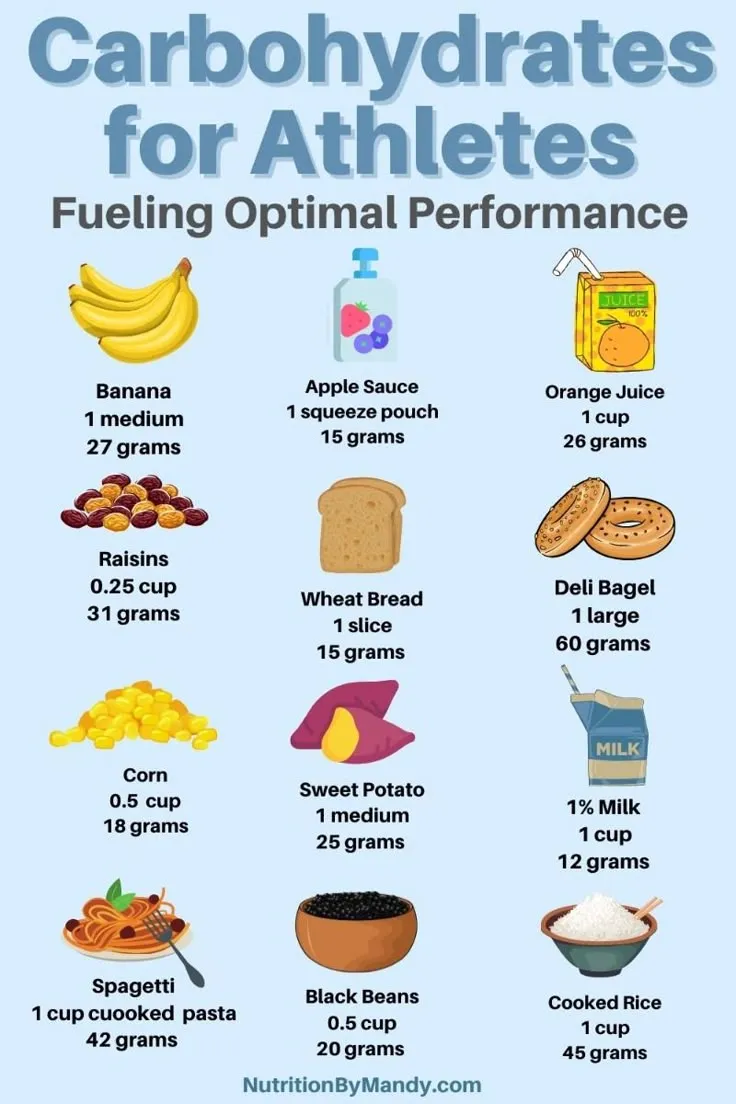
Photo: athlete meal prep carbohydrates healthy food fitness lifestyle, via i.pinimg.com
Let's be honest about something: the keto community can get a little dogmatic. Once you've experienced the mental clarity, the steady energy, and the weight loss that comes with ketosis, it's easy to start treating any carbohydrate like the enemy. But nutrition science doesn't really work in absolutes, and the most effective approach for your body might not look like the strictest version of keto.
Enter keto cycling — a broad term that covers a couple of distinct strategies for incorporating planned carbohydrate intake into an otherwise low-carb lifestyle. Done thoughtfully, it can enhance athletic performance, ease hormonal issues, make the diet more sustainable long-term, and even improve results for people who've hit a stubborn wall. Done carelessly, it's just a fancy excuse to eat pizza on weekends.
The difference lies in the details. Let's break it down.
Two Approaches Worth Understanding
When people talk about "carb cycling" in a keto context, they're usually describing one of two structured approaches:
Targeted Ketogenic Dieting (TKD) involves consuming a small amount of fast-digesting carbohydrates around workouts — typically 25–50 grams — to fuel high-intensity exercise without abandoning ketosis entirely the rest of the time. The idea is that your muscles will burn through that glucose during training before it can interfere with ketone production. TKD is designed for people who are already fat-adapted and want to optimize performance in the gym.
Cyclic Ketogenic Dieting (CKD) is a more dramatic protocol. It typically involves 5–6 days of strict keto followed by 1–2 days of deliberate high-carbohydrate eating — sometimes called a "carb refeed." During those refeed days, carb intake can jump to 400–600 grams or more, with the goal of replenishing muscle glycogen for sustained, high-volume training. CKD is a strategy that originated in competitive bodybuilding circles and is best suited to people doing serious resistance training.
These aren't the same thing, and they're not right for the same people.
Who Might Actually Benefit
The honest answer is that carb cycling isn't for everyone, and it's definitely not a shortcut. But there are specific situations where the research — and real-world experience — suggests it can genuinely help.
Serious athletes and lifters. Pure ketosis is excellent for endurance athletes and everyday fat loss, but it has real limitations for people doing explosive, high-intensity work — think CrossFit, heavy powerlifting, or competitive sports that involve sprinting. Glycogen (stored glucose) is still the body's preferred fuel for maximal-effort movements. If your performance in the gym has flatlined or declined since going keto, TKD or CKD might be worth exploring.
People who've plateaued after months on strict keto. There's a theory — still debated, but plausible — that extended caloric restriction combined with very low carb intake can downregulate thyroid function and leptin levels over time, slowing metabolism. Strategic carb refeeds may help reset some of these hormonal signals. If you've been strict keto for six months or more and nothing is moving, a structured refeed protocol is worth discussing with a healthcare provider.
Women navigating hormonal fluctuations. Some women report that very low-carb diets over extended periods affect their menstrual cycles, energy levels, and thyroid markers. The research here is still evolving and individual variation is significant, but cyclical approaches that include moderate carb intake during certain phases of the month have shown promise for some women. This is an area where personalization really matters.
People who find strict keto socially unsustainable. This one doesn't get talked about enough. If rigidly avoiding carbs is causing you genuine distress, damaging your relationship with food, or making social situations miserable — that's a real cost. A structured, intentional approach to planned higher-carb days can make the overall lifestyle more maintainable, which matters more long-term than any short-term metabolic optimization.
Who Should Probably Skip It
Keto cycling is not a good fit for everyone, and for some people, it actively works against their goals.
People who are still fat-adapting. It takes most people 4–8 weeks of consistent low-carb eating to become fully fat-adapted. If you haven't crossed that threshold yet, introducing carb cycling will essentially keep resetting the clock. Get fat-adapted first — then consider whether you need to layer anything on top of that.
Anyone using keto primarily for blood sugar management or metabolic health. If you're managing type 2 diabetes, insulin resistance, or prediabetes, carb refeeds can cause significant blood sugar swings. Any modification to your carb intake in this context should involve your doctor or a registered dietitian.
People prone to binge eating or disordered eating patterns. Planned "high-carb days" can trigger a loss of control for some individuals — what was supposed to be a structured refeed turns into a multi-day derailment. If you have a history of all-or-nothing eating patterns, the psychological risk of carb cycling may outweigh the potential benefits.
Beginners who are already overwhelmed. If you're still figuring out what to eat for breakfast, you don't need to be thinking about periodization strategies. Nail the fundamentals first.
How to Actually Do This Without Winging It
If you've read through the above and think you're a reasonable candidate for some form of carb cycling, here's how to approach it without it becoming a free-for-all:
Set a clear purpose. Are you trying to improve gym performance? Break a plateau? Manage hormonal symptoms? Your reason shapes your protocol. TKD and CKD serve different goals and aren't interchangeable.
Plan your carb sources intentionally. On refeed days or around workouts, the goal is to replenish glycogen — not to eat whatever sounds good. Stick to clean, whole-food carb sources like sweet potatoes, white rice, oats, or fruit. This isn't a cheat day; it's a tool.
Track how you feel, not just the scale. Keep notes on your energy levels, gym performance, sleep quality, and mood across your cycle. The data that matters most is how your body responds — and that varies significantly from person to person.
Give it a real test period. Six to eight weeks is the minimum to evaluate whether a cyclical approach is working for you. One good week or one bad week doesn't tell you much.
The Bigger Picture
At KetoCoachX, we're not in the business of telling you there's only one right way to do this. Strict keto is a powerful tool — but it's a tool, not a religion. The best dietary approach is the one that helps you reach your health goals, supports your activity level, and that you can actually sustain over the long haul.
Carb cycling, done with intention and structure, can be a legitimate part of that picture for the right person. The key word is intentional. Know why you're doing it, know how you're doing it, and pay attention to what your body is telling you along the way.
That's not abandoning keto. That's being smart about it.