Your Jeans Fit Better But the Scale Says Nothing Changed — Here's What's Really Happening
The Scale Is Giving You One Data Point. Your Body Has a Whole Story.
You've been strict. Tracking macros, skipping the bread basket, meal prepping on Sundays like a person who has their life together. Your belt is on a tighter notch than it was three weeks ago. Your coworker asked if you'd been working out. And then you step on the scale — and it's barely moved.
Cue the frustration spiral.
Here's the thing, though: that scale reading? It's one single number representing the total weight of everything inside your body at that exact moment — bones, organs, water, muscle, fat, the coffee you had an hour ago. It tells you almost nothing about what's actually changing. And on keto specifically, the gap between what the scale says and what's actually happening in your body can be enormous.
Let's break down why.
What Actually Happens to Your Body in the First Weeks of Keto
When you cut carbohydrates dramatically, your body burns through its glycogen stores — the glucose it keeps stashed in your muscles and liver for quick energy. Here's the part most people don't realize: every gram of glycogen is stored with about three to four grams of water. So when you deplete glycogen, you lose a significant amount of water weight fast. That's why so many people drop five to ten pounds in the first week or two on keto.
But that rapid early loss creates an unrealistic baseline. Your body is now running leaner on water. As you continue keto and your metabolism adapts, the scale can stall — or even tick up slightly — while your body is simultaneously burning actual fat tissue and potentially adding lean muscle if you're exercising.
The result? You look and feel different. The scale doesn't reflect it. And if you're only watching that one number, you'll think something's broken when it absolutely isn't.
The Muscle Factor Nobody Talks About Enough
Fat and muscle have different densities. A pound of fat takes up significantly more space than a pound of muscle. So if you're doing any resistance training alongside your keto diet — even just bodyweight workouts — you may be losing fat volume while simultaneously gaining denser lean mass.
This is genuinely good news. More muscle means a higher resting metabolic rate, better insulin sensitivity, and a body that burns fuel more efficiently over time. But in the short term, it can make the scale look like it's doing absolutely nothing.
A lot of people quit keto right at this point. They assume the diet stopped working. They didn't gain fat — they gained muscle and lost fat simultaneously, which is one of the most favorable body composition shifts you can experience. The scale just doesn't know how to celebrate that.
Water Retention Is More Dynamic Than You Think
Even after the initial water weight drop, your hydration levels fluctuate constantly. Stress hormones like cortisol cause your body to retain water. A higher-sodium meal the night before can add a pound or two by morning. Hormonal cycles in women can cause significant water retention at predictable times each month. Even intense exercise causes temporary inflammation and fluid retention in your muscles as they repair.
None of this is fat gain. All of it shows up on the scale.
This is why weighing yourself daily and tracking the trend over weeks is far more useful than reacting to any single morning's number. But even better? Start measuring success in ways that actually reflect what's happening.
Non-Scale Victories That Actually Mean Something
At KetoCoachX, we're big believers in building a fuller picture of your progress. Here are the metrics that often tell the real story:
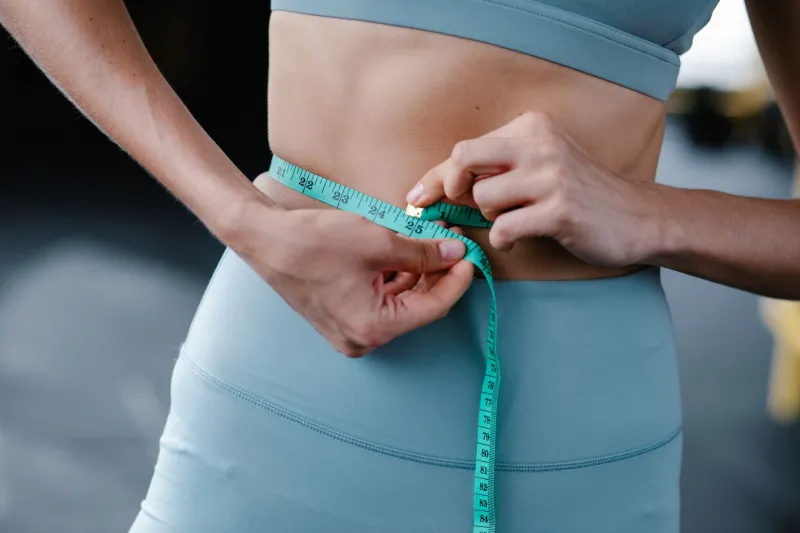
Body measurements. Grab a soft measuring tape and track your waist, hips, chest, arms, and thighs every two to four weeks. Many people find they're losing an inch or more from their waist while the scale sits still. This is the belt-notch effect you're already feeling — now you have data to back it up.
Progress photos. Taken in consistent lighting, same time of day, same outfit. These are often shocking when you compare a photo from week one to week eight. The scale can't show you that your face looks different or that your midsection has visibly changed shape.
How your clothes fit. This sounds unscientific, but it's actually one of the most honest gauges available. Your jeans don't lie. If they're looser, something real is happening.
Energy and cognitive clarity. One of keto's most consistent benefits is the sustained mental energy that comes from running on ketones instead of blood sugar spikes and crashes. If you're thinking more clearly and crashing less in the afternoon, that's your metabolism working better — and that matters for long-term health.
Workout performance. Are you lifting heavier? Running longer? Recovering faster? These are signs your body composition is shifting in a positive direction, even if the scale hasn't caught up.
Blood markers. If you're working with a doctor or getting routine labs, improvements in fasting blood glucose, triglycerides, and HDL cholesterol are real, measurable wins that the scale will never show you.
Reframing What "Progress" Actually Means
American diet culture has spent decades convincing us that the number on the scale is the only score that matters. Weigh-ins as punishment. "Losing" weight as the goal, as if your body is something to be defeated.
Keto, done right, is about something different. It's about metabolic health, sustained energy, reducing inflammation, and building a body that functions well for the long haul. Fat loss is part of that — but it's not the whole picture, and it doesn't always show up on a scale.
When you shift your focus from "what does the scale say" to "how is my body actually functioning," the entire experience changes. That plateau you've been agonizing over? It might be your body doing exactly what it's supposed to — recomping, adapting, getting stronger.
A Practical Approach Going Forward
If you're in a stall and feeling stuck, here's a simple framework:
- Take your measurements today if you haven't already. You may have been losing inches this whole time without knowing.
- Weigh yourself no more than once a week, first thing in the morning, after using the bathroom, before eating or drinking. Log it and look at the monthly trend, not the daily noise.
- Add a progress photo right now. Set a reminder to take another one in four weeks.
- Check in with your energy, sleep, and cravings. If those are improving, your metabolism is responding.
- Consider getting a body composition scan — DEXA scans or even a quality bioelectrical impedance scale can give you a fat vs. muscle breakdown that a regular scale simply cannot.
The scale is a tool. It's just not a very good one for measuring what keto actually does to your body. Use better tools, track more data points, and give yourself credit for the wins that are already happening — even if they don't have a number attached yet.