Why Keto Is Burning Fat But Your Wardrobe Hasn't Noticed Yet
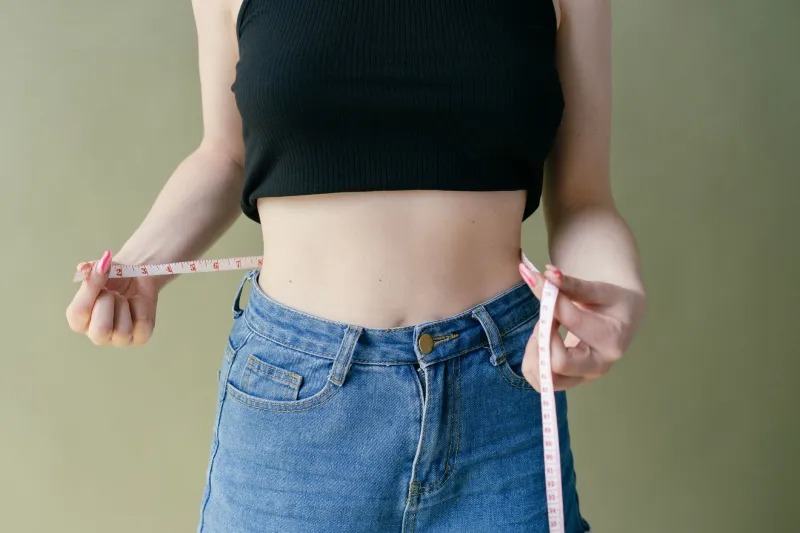
You've been doing this for three, maybe four weeks. You're tracking macros, dodging bread baskets at restaurants, and the scale has actually dropped a few pounds. By all accounts, keto is working. So why does it feel like your clothes missed the memo?
This is one of the most common — and genuinely confusing — experiences people hit during the first few months of ketogenic eating. And it's not in your head. There's a very real, physiologically explainable reason why fat loss and visible change in how your clothes fit are running on completely different timelines. Let's break it down.
Your Body Burns the Fat You Can't See First
Here's something most people don't realize: not all body fat is created equal, and your body doesn't just pull from wherever it feels like.
There are two main types of fat you're carrying around. Subcutaneous fat is the stuff sitting just underneath your skin — the kind you can grab, the kind that shows up in the mirror, and the kind that makes your waistband feel tight. Visceral fat is deeper, packed around your internal organs in your abdominal cavity, and you can't see or feel it directly.
Here's the kicker: ketogenic diets are particularly effective at targeting visceral fat first. Research consistently shows that low-carb, high-fat diets reduce visceral adiposity at a faster rate than subcutaneous fat. That's genuinely great news for your metabolic health — visceral fat is the dangerous kind, linked to insulin resistance, cardiovascular disease, and chronic inflammation. But it's also the reason your pants haven't gotten any looser yet.
When visceral fat shrinks, your internal organs get a little more breathing room, your inflammation markers improve, and your blood sugar starts behaving better. What doesn't happen immediately? Your waistband moves. That subcutaneous layer — the stuff your clothes actually press against — tends to follow later in the process.
The Water Weight Situation Is More Complicated Than You Think
Everybody knows keto causes an initial water weight drop. What fewer people talk about is what happens after that drop — and how water retention patterns keep shifting throughout the adaptation period.
When you cut carbohydrates, your glycogen stores (essentially stored glucose in your muscles and liver) get depleted. Each gram of glycogen holds onto roughly 3 grams of water, so when glycogen goes, a noticeable amount of water goes with it. That's why the scale can drop 4–8 pounds in the first week or two. It feels amazing.
But here's where it gets weird. As your body adapts to ketosis over the following weeks, it starts recalibrating its fluid balance. Electrolytes shift. Kidney function adjusts. And in some areas of your body — particularly around the midsection — localized water retention can persist even while overall fat loss is happening. Hormonal fluctuations, stress, and even the composition of your meals on any given day can cause your body to hold water in specific regions, making your clothes feel just as snug as before even when fat is genuinely leaving your body.
This isn't failure. It's adaptation. But it does mean the timeline for looking different in your clothes lags significantly behind what's actually happening metabolically.
Muscle Is Denser Than Fat — And That's Messing With Your Fit
Another piece of this puzzle that doesn't get enough airtime: muscle density.
A lot of people starting keto are also changing their activity levels — either getting more intentional about exercise or naturally feeling more energetic and moving more. Ketones are a remarkably efficient fuel source for many types of physical activity, and some people find themselves building or preserving lean muscle mass during their keto journey without even trying very hard.
Here's the thing about muscle: it takes up significantly less space than fat, pound for pound. But it's also heavy. So if you're simultaneously losing fat and gaining or preserving muscle, the scale might barely move, and your clothes might feel about the same — even though your body composition is improving in a meaningful way.
This is particularly noticeable around the thighs, hips, and upper arms. Areas that were previously soft and fatty can become firmer and slightly denser as muscle replaces fat tissue. The circumference measurement might not change much right away, but the quality of what's filling that space is completely different.
So When Do the Clothes Actually Start Fitting Differently?
This is the real question, right? And the honest answer is: it depends on a few factors, but most people start noticing genuine changes in how their clothes fit somewhere between weeks six and twelve of consistent keto eating.
The timeline tends to go something like this:
- Weeks 1–2: Rapid water weight loss, scale drops, but body shape changes minimally.
- Weeks 3–5: Metabolic adaptation is underway, visceral fat is shrinking, energy is stabilizing, but subcutaneous fat loss is just getting started.
- Weeks 6–10: This is where many people have their first "wait, do these jeans feel different?" moment. Subcutaneous fat loss becomes more visible, particularly in the face, neck, and upper body first.
- Weeks 10–16: Lower body and midsection changes become more apparent. This is when pants start fitting noticeably differently for most people.
The lower abdomen and hips tend to be the last to show visible change for most adults — especially women, whose bodies are hormonally inclined to hold onto fat in those regions longer. This is completely normal and not a sign that keto isn't working.
What You Can Do While You Wait
First and most importantly: take measurements, not just scale readings. Grab a soft tape measure and track your waist, hips, chest, and thighs every two weeks. You'll often see centimeters dropping in areas you haven't noticed visually yet, and that data is incredibly motivating when the mirror isn't cooperating.
Second, consider progress photos in consistent lighting. The human eye adapts to gradual change. Side-by-side photos from week one versus week eight often reveal dramatic differences that you completely stopped seeing day-to-day.
Third, don't catastrophize a slow visual start. The internal changes happening during the first six weeks of keto — improved insulin sensitivity, reduced visceral fat, better blood lipid profiles — are genuinely significant even when they're invisible. Your body is doing serious work before it shows up on the outside.
Finally, stay consistent with your macros and sleep. Poor sleep spikes cortisol, which drives water retention and can slow subcutaneous fat loss specifically. It's one of the most underrated factors in why some people see visible changes faster than others.
The Bottom Line
Keto working and keto looking like it's working are two different things on two different timelines. The fat you're losing first is the fat your clothes can't feel. The fat your clothes care about comes later — but it does come. Understanding this gap is often the difference between people who stick with keto long enough to see the full picture and people who quit right before things get interesting.
Your body is changing. Your wardrobe just needs a little more time to catch up.