Why Keto Makes You Feel Like a Beginner at the Gym Again (And How to Train Through It)
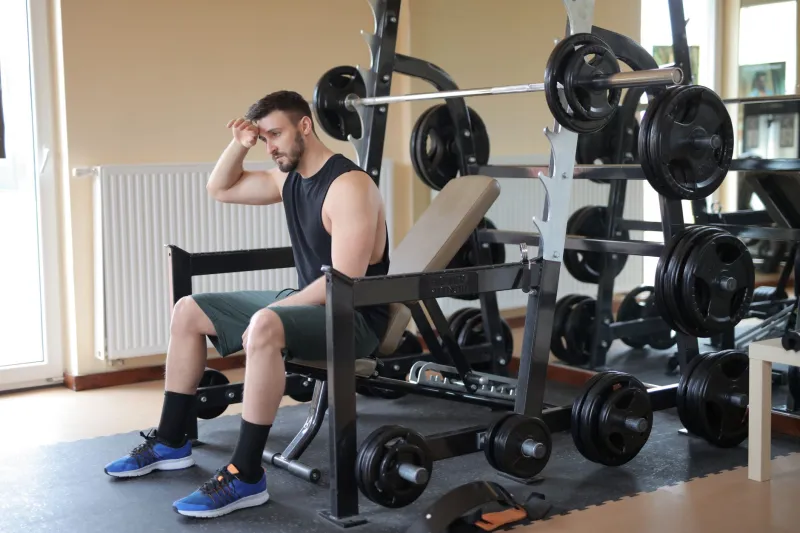
You've been hitting the gym consistently for months, maybe years. You know your numbers — your squat max, your bench, how many pull-ups you can bang out before your arms give up. Then you go keto, and suddenly you're grinding through weights that used to feel light. Your cardio sessions feel like you're running through wet concrete. You're gassing out faster, lifting less, and wondering what on earth you've done to yourself.
Here's the thing: you haven't broken yourself. You've just thrown your body into one of the most significant metabolic shifts it's ever experienced, and your muscles are not happy about it — yet. Understanding why this happens, how long it lasts, and what you can actually do about it is the difference between pushing through to the other side and quitting three weeks in convinced that keto is a scam.
What's Actually Happening When Your Strength Tanks
Your muscles have been running on glycogen — the stored form of carbohydrate — their entire working life. It's fast, it's efficient, and for high-intensity efforts like lifting heavy or sprinting, it's the preferred fuel source. When you slash carbs on keto, you drain those glycogen stores. Your body hasn't yet built the enzymatic machinery to efficiently burn fat and ketones at the same rate, so there's a genuine gap in available energy during intense exercise.
Think of it like switching your car from gasoline to a different fuel system mid-drive. The engine can run on the new fuel eventually, but while the conversion is happening, you're not getting full power.
On top of that, keto triggers a significant shift in fluid and electrolyte balance. As glycogen depletes, your kidneys start excreting more sodium, which pulls water and other electrolytes — particularly potassium and magnesium — along with it. Low magnesium alone can cause muscle cramping, weakness, and reduced power output. Low sodium affects blood volume and cardiovascular performance. You're not just adapting metabolically; you're also potentially running low on the minerals your muscles need to contract properly.
The Timeline You Actually Need to Know
Most people hit their lowest point in terms of gym performance somewhere between days four and fourteen of starting keto. This is the sweet spot of misery — glycogen is largely depleted, ketone production is ramping up but not yet optimized, and electrolytes may be in flux.
By weeks three to four, most people start noticing a real turning point. Endurance athletes tend to adapt faster than strength-focused lifters, partly because fat oxidation at moderate intensities is actually quite efficient once the body learns to use it. If you're primarily doing cardio, you might feel almost normal by week four.
Strength and power athletes typically take a bit longer — often six to eight weeks before they're back to baseline on heavy compound lifts. This is completely normal and is backed by research on metabolic adaptation. Some studies have shown that after full keto-adaptation, athletes can match or even exceed their previous performance on many metrics, particularly in longer-duration efforts.
The key word there is after adaptation. You have to survive the middle part first.
When to Push and When to Back Off
This is where people make one of two mistakes: they either panic and quit, or they try to train through the adaptation phase at full intensity and end up overtrained, injured, or so depleted they feel sick for weeks.
Here's a more practical framework.
Back off when:
- You're in weeks one through three and your performance has dropped noticeably. This is expected. Trying to PR your deadlift during this window is a losing battle and a potential injury waiting to happen.
- Your heart rate feels elevated at efforts that normally feel easy. Your cardiovascular system is also adapting, and pushing hard when your body is already under metabolic stress adds unnecessary strain.
- You're experiencing muscle cramps, brain fog, or dizziness during workouts. These are electrolyte red flags, not signs you need to grind harder.
Keep training (but smarter) when:
- You're past the three-week mark and starting to feel glimmers of your old energy returning. Light to moderate training during the adaptation phase actually helps your body learn to use fat for fuel more efficiently.
- You're focused on maintaining muscle rather than building it. Volume matters here — keep frequency up, but reduce intensity. Think three sets instead of five, 70% of your max instead of 90%.
- You're doing lower-intensity work like walking, yoga, or easy cycling. These activities support adaptation without draining your already-taxed system.
Protecting Your Muscle While You Adapt
The fear of losing muscle on keto is real and valid, especially if you've spent years building it. The good news is that ketosis is actually somewhat muscle-sparing compared to other low-calorie approaches, largely because ketone bodies can be used as energy by muscle tissue and may reduce protein catabolism. But you still need to be intentional.
Protein intake is your first line of defense. Contrary to old-school keto dogma that says too much protein kicks you out of ketosis, most active people need more protein than the standard keto guidelines suggest — especially during adaptation. Aim for at least 0.7 to 1 gram of protein per pound of bodyweight if you're actively training. Prioritize whole food sources like eggs, beef, chicken thighs, and fatty fish.
Electrolyte supplementation isn't optional during this phase — it's essential. Sodium, potassium, and magnesium all play direct roles in muscle function. A practical daily target during adaptation: 2,000–3,000mg of sodium, 1,000mg of potassium, and 300–500mg of magnesium. You can hit a lot of this through food (broth, avocado, leafy greens, pumpkin seeds), but supplementing strategically fills the gaps.
Sleep is also doing more heavy lifting than you might realize. Growth hormone — released primarily during deep sleep — plays a critical role in muscle repair and retention. Keto actually tends to improve sleep quality for many people once the adaptation phase passes, but in the early weeks, prioritize getting seven to nine hours even if it means skipping that 5am gym session.
The Other Side Is Worth It
Here's what nobody tells you when you're white-knuckling through week two, feeling like a shadow of your former athletic self: the athletes who fully adapt to keto often describe a quality of energy that feels different from anything they experienced before. It's steadier. There's no pre-workout sugar crash, no bonking halfway through a long session, no desperate need to carb-load before a hard training day.
Your body becomes remarkably efficient at pulling energy from fat stores — which, even in lean individuals, represent a vastly larger fuel reserve than glycogen ever could. That's not a small upgrade.
The gym paradox is real: keto will temporarily make you weaker before it potentially makes you better. But it's a phase, not a permanent state. Train smart, protect your electrolytes, eat enough protein, and give your body the six to eight weeks it actually needs to complete the transition. The version of you on the other side of adaptation is worth meeting.